For the Oceans
From the Oceans
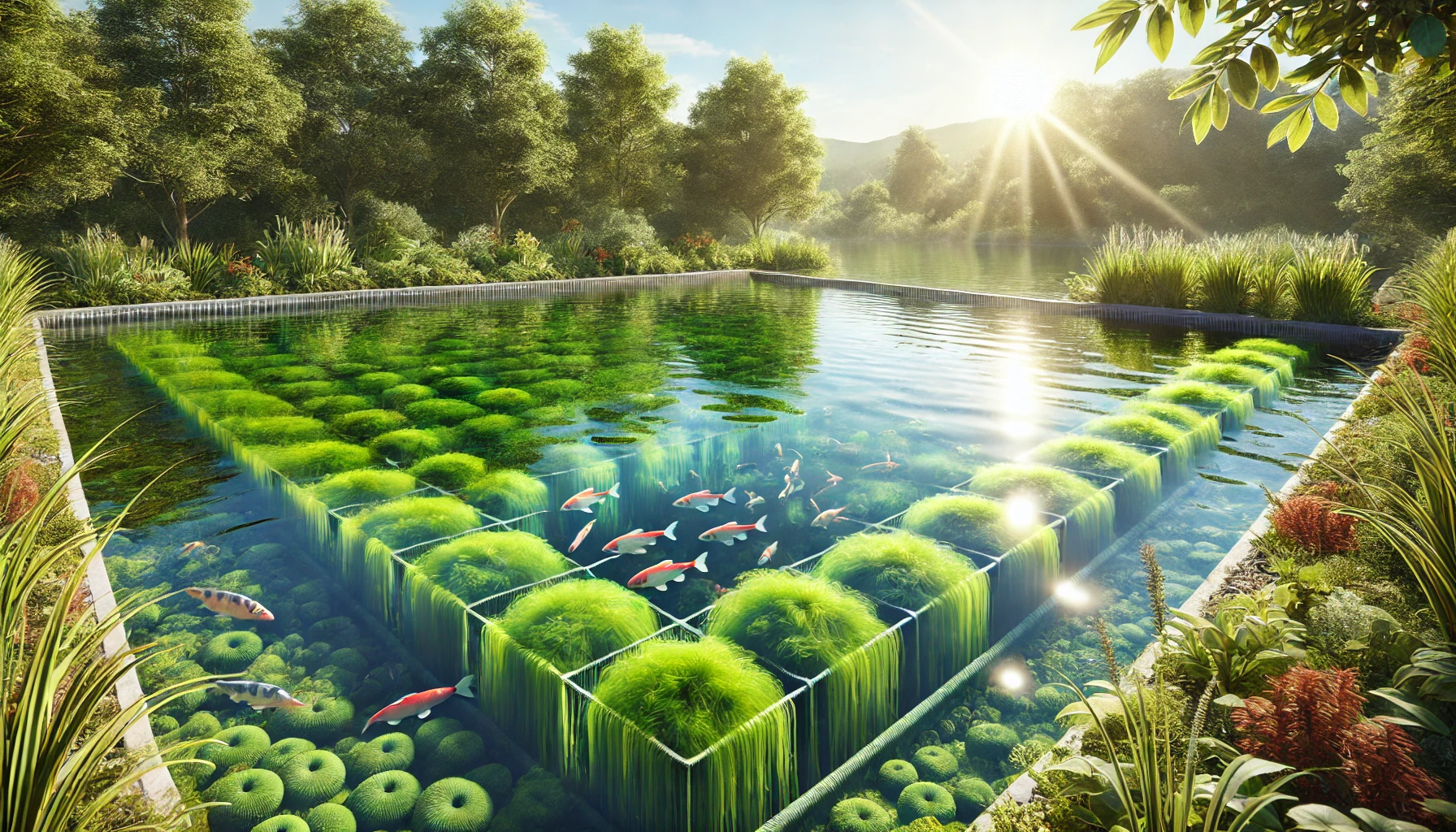
A square km of seaweed cultivation can sequester more than 1,000 metric tons of carbon annually.

A farm of seaweed generates ~270 man-days of employment annually and supports livelihood of coastal communities.
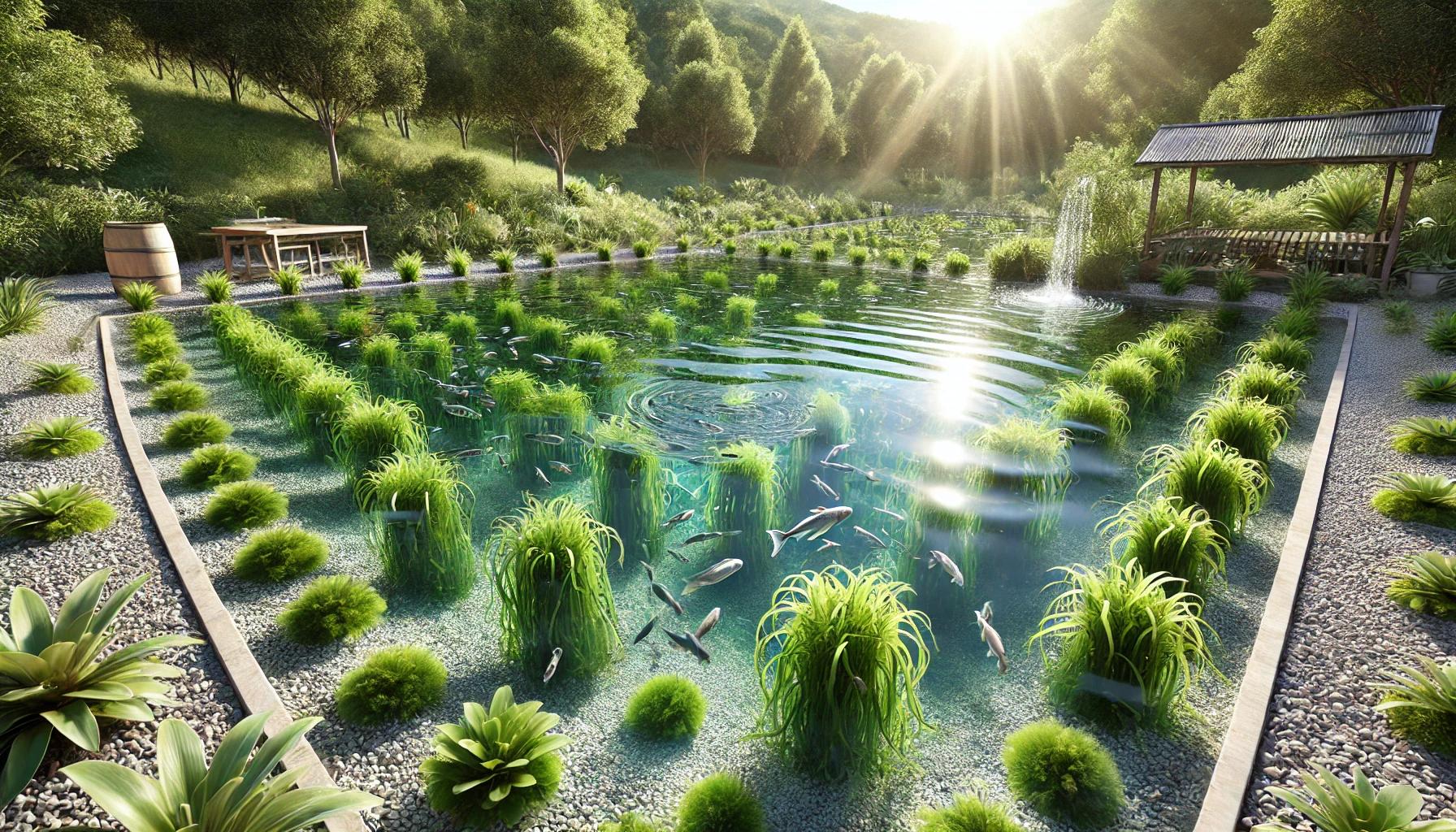
Cultivating just 0.3% of the ocean surface area with seaweed could add 10% to world's present supply of food.
How Seaweed Farming Purifies Wastewater

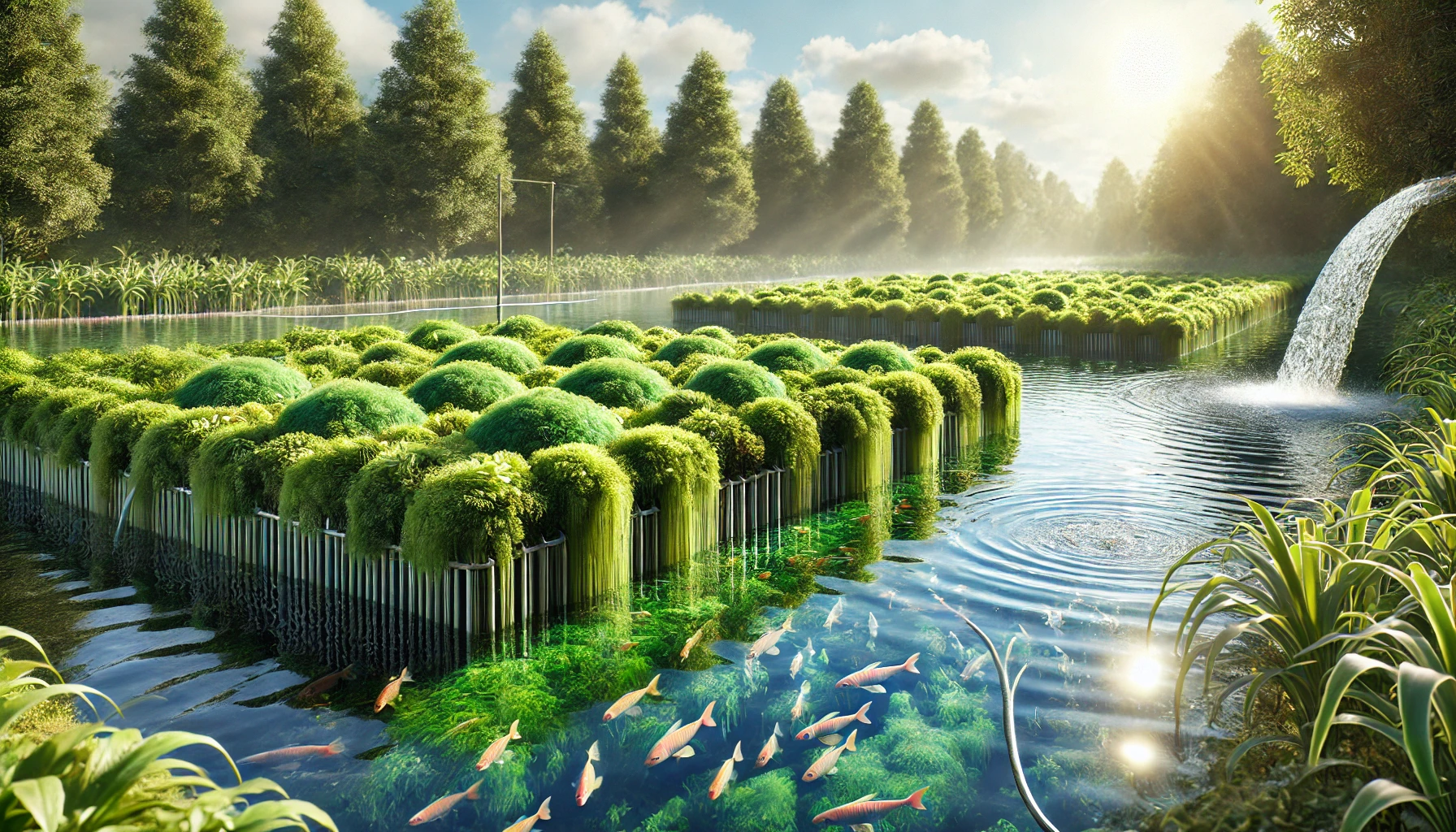
Integrating seaweed farming with aquaculture creates a sustainable biofiltration system that naturally cleans wastewater from fish ponds. This process, known as Integrated Multi-Trophic Aquaculture (IMTA) or Bio-remediation, helps reduce pollution, improve water quality, and promote a healthier ecosystem.
Seaweed plays a vital role in purifying fish pond wastewater by acting as a natural biofilter. It absorbs excess nutrients, improves water quality, and maintains ecological balance, making it an effective and sustainable solution for aquaculture.
One of the main ways seaweed cleans fish pond water is by absorbing nitrogen and phosphorus, which come from fish waste and uneaten food. If left unchecked, these nutrients can lead to poor water quality and harmful algal blooms. Seaweed utilizes these compounds for growth, preventing pollution and keeping the water clean.
Additionally, seaweed enhances oxygen levels through photosynthesis. It absorbs carbon dioxide and releases oxygen, ensuring that fish and other aquatic organisms have sufficient dissolved oxygen to thrive. This also helps regulate pH levels, preventing sudden fluctuations that can stress or harm fish.
Another crucial benefit of seaweed farming is its role in preventing eutrophication. Excessive nutrients in fish ponds often cause uncontrolled algal growth, leading to oxygen depletion and water toxicity. By competing with algae for nutrients, seaweed naturally reduces the risk of algal blooms and maintains water clarity.
Moreover, seaweed provides a habitat for beneficial microorganisms that break down organic waste, further enhancing the filtration process. These microbes help decompose fish waste, preventing the accumulation of harmful substances.
By integrating seaweed farming into fish ponds, aquaculture operations can achieve better water quality while promoting sustainability. Seaweed not only purifies wastewater but also serves as a valuable resource for fish feed, fertilizers, and biofuels, making it an eco-friendly solution for aquaculture.
Seaweed Purification Features
Absorbing Excess Nutrients 🌊
Fish waste and uneaten food release nitrogen (ammonia, nitrites, and nitrates) and phosphorus into the water. Excessive nutrients can lead to poor water quality and toxicity.
How Seaweed Helps:
Seaweed absorbs these nutrients through its tissues, utilizing them for growth. It prevents nutrient buildup, which could otherwise lead to water pollution.
Reducing Chemical Pollution 🚫🧪
Fish farms often experience the accumulation of toxins from organic waste, uneaten feed, and possible chemical runoff.
How Seaweed Helps:
Seaweed can trap and neutralize harmful substances, such as heavy metals and organic pollutants. It acts as a natural filtration system, improving water clarity and safety.
Oxygen Production & pH Balance 🌿
Aquatic ecosystems need sufficient oxygen for fish and beneficial bacteria to survive.
How Seaweed Helps:
Through photosynthesis, seaweed produces oxygen, which supports fish and microbial life. Seaweed also helps regulate the pH level, maintaining a stable and healthy water environment.
Preventing Algal Blooms & Eutrophication 🚫🌊
Excessive nutrients can cause harmful algal blooms, leading to eutrophication—a process where water bodies become oxygen-depleted due to decomposing algae.
How Seaweed Helps:
By consuming excess nitrogen and phosphorus, seaweed prevents harmful algae from thriving. This reduces the risk of oxygen depletion and fish kills.
Natural Habitat for Microorganisms 🦠
Healthy fish ponds require beneficial bacteria to break down waste and maintain ecological stability.
How Seaweed Helps:
Seaweed surfaces offer shelter for microbes that break down organic waste. These microorganisms improve water quality by decomposing harmful substances.
The Purification Process
Setting Up Seaweed Cultivation
Before seaweed can begin purifying the pond, it must be properly cultivated.
How It's Done:
Seaweed can be grown directly in the pond or in separate water channels connected to the pond. Select species that thrive in freshwater or brackish environments (e.g., certain types of macroalgae). Secure the seaweed using ropes, nets, or floating structures to prevent uncontrolled spreading.
Natural Filtration Begins
Once the seaweed is established, it actively starts filtering the pond water.
What Happens:
Nutrient Absorption: Seaweed absorbs excess nitrogen (ammonia, nitrates) and phosphorus from fish waste. Chemical Filtration: It captures heavy metals and organic pollutants, preventing toxicity. Oxygen Production: Through photosynthesis, seaweed releases oxygen into the water, benefiting fish and microorganisms. Algae Control: By removing excess nutrients, it prevents harmful algal blooms.
Maintaining the System
To ensure continuous water purification, the seaweed system must be monitored and maintained.
Key Maintenance Tasks:
Regularly check seaweed growth to prevent overcrowding or decay. Remove excess seaweed to keep the balance and avoid overgrowth. Monitor water quality (pH, oxygen levels, and nutrient concentrations). Introduce beneficial microorganisms to complement the seaweed's filtration process.
Utilizing Harvested Seaweed
The removed seaweed can be repurposed for various beneficial uses.
Uses of Harvested Seaweed:
Fish Feed: Certain seaweed species can be dried and fed to fish as a supplement. Compost & Fertilizer: Nutrient-rich seaweed can be used as organic fertilizer for crops. Biofuel Production: Some types of algae can be processed into biofuel. Cosmetics & Medicine: Seaweed extracts have applications in skincare and pharmaceuticals.
Key Benefits of Seaweed Filtration
Eco-Friendly Waste Management
Reduces dependency on chemical treatments and promotes natural filtration processes.
Improved Water Quality
Promotes healthy fish growth and reduces disease risks through natural purification.
Enhanced Sustainability
Creates a self-sustaining system for aquaculture with minimal environmental impact.
Additional Income Source
Harvested seaweed can be sold for multiple uses, creating economic value.